
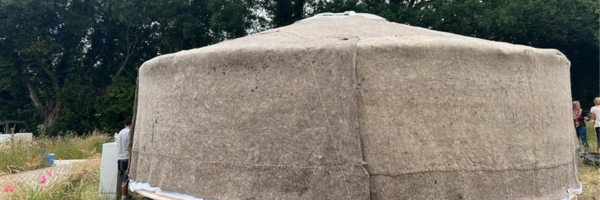
Preventing Moisture: How to Tackle It
Moisture Control in Your Yurt: Tips for a Dry and Cozy Space
Between the months of September and February, it's crucial to pay extra attention to the moisture management of your yurt. Moisture can become an issue, especially in the wool insulation, leading to stains on the inner fabric. Here are some useful tips to prevent moisture problems and maintain your yurt effectively.
1. Avoid building your yurt during damp weather: It all starts with a good beginning. We steer clear of constructing yurts during damp, rainy weather. Wool easily absorbs moisture, and drying the yurt completely becomes challenging if the insulation is already damp.
2. Adequate ventilation, but not during rainy weather: During the winter months (September-February), regular maintenance against moisture is crucial. Ventilation is important, but it doesn't mean you should keep the windows open all day, especially during rainy weather. Moisture can seep in, affecting the insulation. Ventilate briefly (about 3 times a day) during dry periods to maintain a healthy air circulation.
3. Manage the stove and ventilation: Using the stove in colder months is inevitable, but it can also cause moisture. Similar to traditional homes, condensation can occur when you turn on the stove. Find a balance between opening the windows and using the stove. Ensure alternation and ventilation to minimize moisture problems.
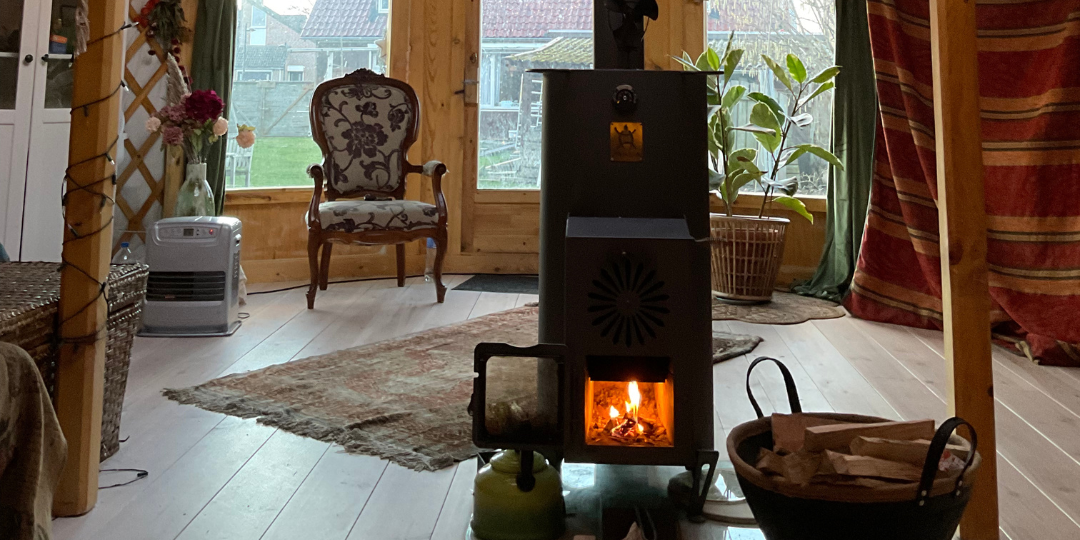
Les habitants de la Mongolie, où les températures peuvent chuter jusqu'à -40 degrés Celsius, ont prouvé qu'il est possible de maintenir une yourte chaude et confortable sans problèmes d'humidité. C'est une question de trouver le bon équilibre.
Inconvénients de l'humidité :
- Taches sur le tissu intérieur
- Développement d'odeurs
- Formation de moisissures
Conseil supplémentaire : Fumée de feu pour un nouveau départ
Pour changer l'énergie et réduire les odeurs potentielles, allumez occasionnellement de la fumée de feu. Cela peut non seulement améliorer l'atmosphère, mais aussi aider à prévenir la formation de moisissures.
Réflexions finales : Avec une attention particulière à la ventilation, en évitant la construction par temps humide et en utilisant le poêle de manière équilibrée, vous pouvez profiter d'une yourte confortable et sans humidité, même pendant les mois les plus froids. Le maintien du charme unique de votre yourte demande un peu plus d'attention, mais le résultat est un espace de vie confortable et accueillant.