
Why Our Mongolian Yurt is Sustainable
Siberian Larch: Durable and Strong
For the frame of our yurt, we have chosen Siberian larch. This type of wood is known for its durability and strength. Because it grows in the harsh, cold conditions of Siberia, it is naturally resistant to extreme weather conditions. This makes it perfect for a yurt, which must be robust and reliable.
What I particularly appreciate about Siberian larch is that it is a renewable resource when responsibly managed and harvested. Through careful forestry practices, we can use this wood without causing permanent harm to the environment. Additionally, wood has a low ecological footprint, especially compared to materials like steel or concrete, as its production requires less energy and generates fewer carbon emissions.

Felt: 100% Natural and Biodegradable
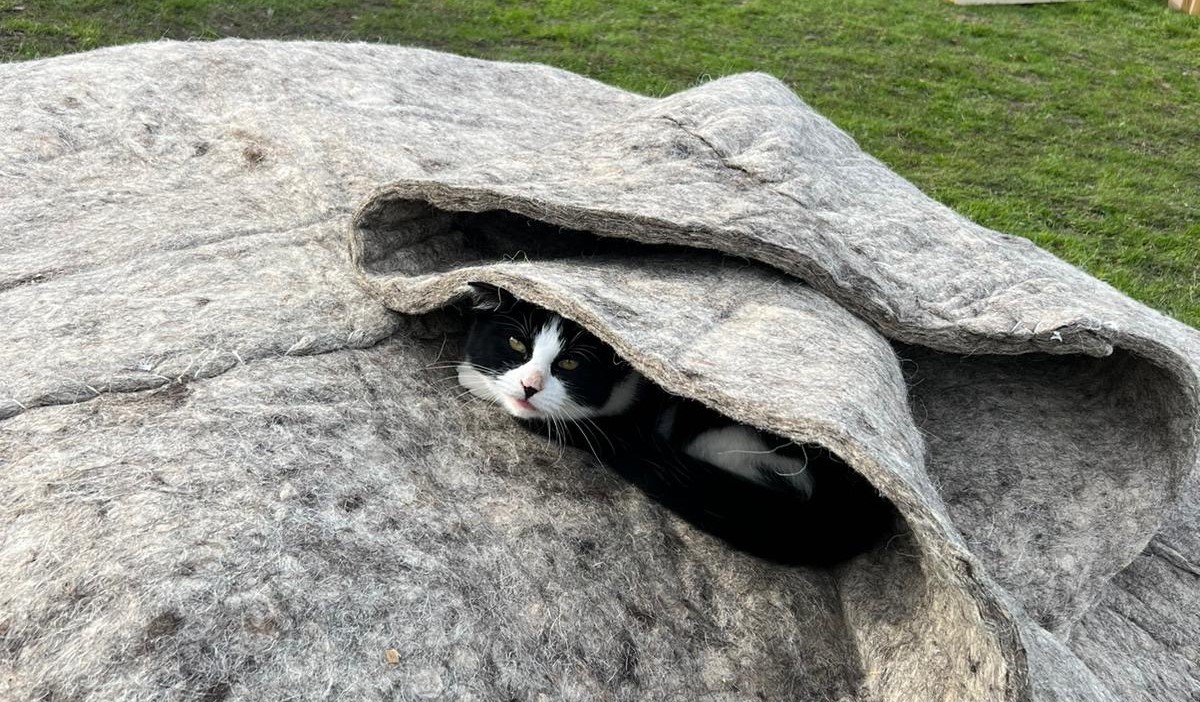
One of the key components of our yurt is the felt cover, which provides both insulation and protection from the elements. Felt is traditionally made from sheep's wool, a completely natural and biodegradable material. Sheep's wool has excellent insulating properties, keeping our yurt cool in the summer and warm in the winter.
What I find truly amazing about felt is that the production process is simple and requires no chemical additives. This further protects the environment. And after use, felt can be easily composted or reused, contributing to a circular economy.
Upcycling and Recycling
Another aspect that makes our yurt so eco-friendly is the use of upcycling. Many materials we use for construction come from recycled sources. Wooden components can be made from reclaimed planks, and old wool blankets can be turned into felt. This reduces the demand for new raw materials and helps minimize waste.
Moreover, most components of our yurt are easily recyclable or upcyclable at the end of their lifecycle. Wood can be reused or processed into mulch, while felt can be composted or repurposed into mattresses or seat cushions. This keeps the ecological footprint of our yurt minimal.
Handcrafted: Less Energy, More Craftsmanship
What I personally find very special is that our yurt is handcrafted. This means that less energy is consumed during production compared to mass production in factories. The manual production process also supports the local economy and traditional crafts.
The craftsmanship involved in making our yurt ensures that each piece is unique and of high quality. This contributes to a longer lifespan of the yurt, ultimately leading to less material waste and replacement.

Conclusion
Our Mongolian yurt is an excellent example of how traditional building methods can contribute to sustainability. By using natural materials like Siberian larch and felt, and by focusing on upcycling, recycling, and handcrafted workmanship, our yurt offers an eco-friendly living solution that perfectly fits the modern quest for sustainability. Living in a yurt is not only a step back to simplicity and connection with nature, but also a step forward in protecting our planet for future generations.