

The fascinating history of Mongolian Traditional yurts.
Reading time: 5 minutes
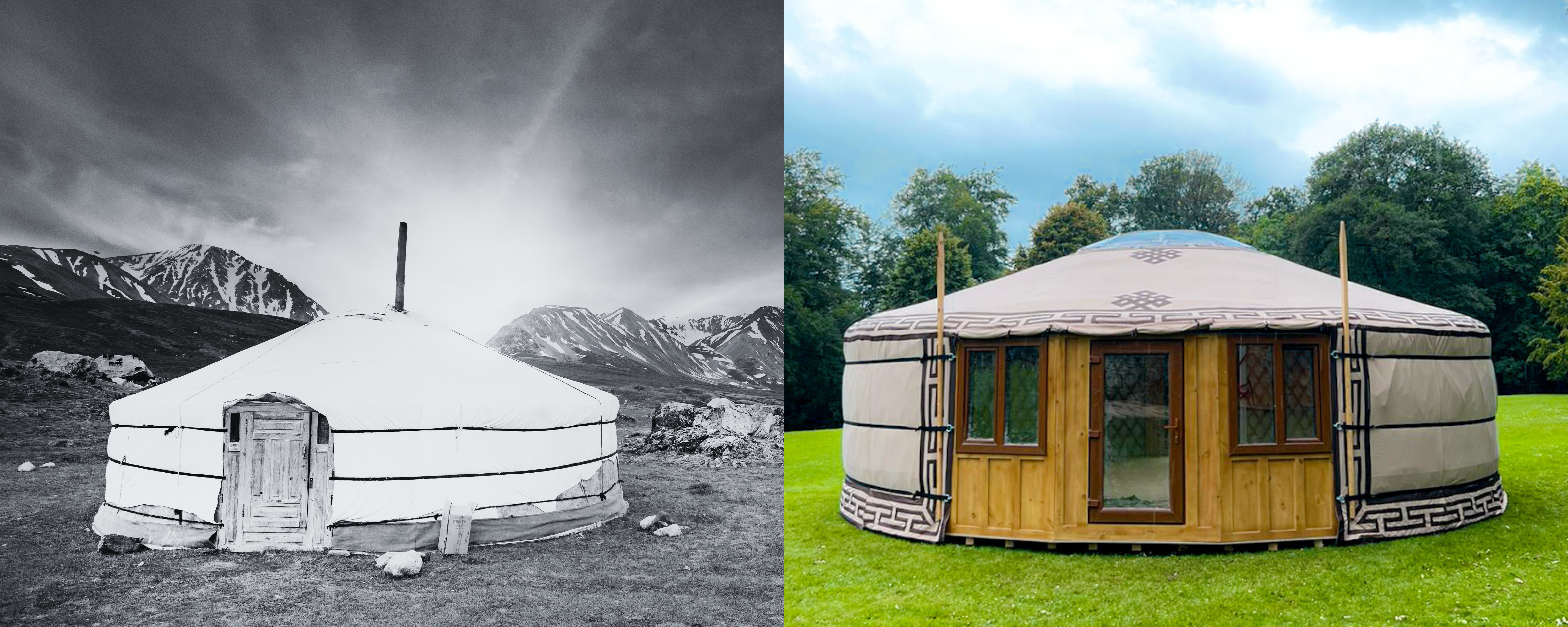
Long, long ago, in the vast steppes of Central Asia, a unique tale of yurts and the nomadic people of Mongolia began. Nomadic tribes roamed the endless plains with their homes on their backs, ready to settle wherever the wind guided them. The Mongolian pastoral nomads, epitomizing a resilient way of life, relied on their animals for survival and moved their habitat several times a year in search of water and grass for their herds.
Nomadic Lifestyle in Mongolia: The nomadic people of Mongolia, living in harmony with nature, were primarily pastoral nomads whose existence was intricately woven into the fabric of the vast, untamed landscapes that defined their homeland. Organized in familial or clan-based structures, they embarked on a cyclical migration, orchestrating a delicate dance with the changing seasons.
Yurts: Ingenious Nomadic Shelters: Beyond being mere tents, yurts emerged as ingeniously crafted, elegant round shelters, defying the ordinary. The tale commences with a robust wooden frame, swathed in durable felt—a resilient armor against the ravages of time and the capriciousness of nature. The circular lattice wall, affectionately known as 'khana,' envelops the yurt like a warm embrace, an architectural testament to both function and form.
Nomadic Adaptability and Yurt Mobility:The nomads, seeking fertile pastures and fresh water sources, migrated several times a year, each movement synchronized with the ecological rhythms of the land. The traditional dwelling of Mongolian nomads, the yurt (or ger), was designed to be easily dismantled and transported, mirroring the nomads' transient lifestyle. This portable shelter allowed them to establish temporary homes wherever they set down roots, ensuring adaptability to the ever-changing demands of the environment.
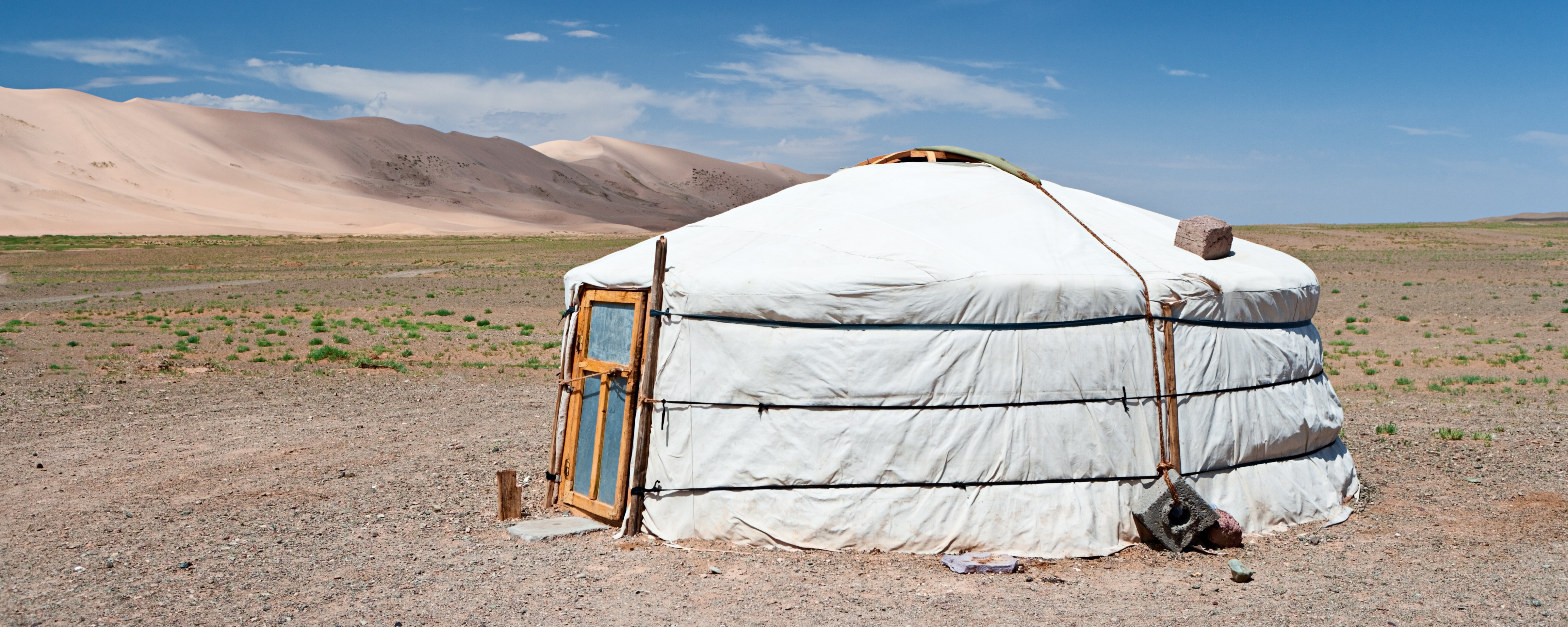
Harmony of Existence: Symbiotic Relationship with Animals: Survival in the challenging terrain of Mongolia was a testament to their adaptability. The nomads forged a symbiotic relationship with their animals, relying on them not only for sustenance but as indispensable companions in the nomadic journey. The herds, consisting of livestock such as horses, yaks, sheep, and goats, were the lifeblood of the nomadic community.
Cultural Legacy and Environmental Respect: The nomadic lifestyle wasn't just a survival strategy; it was a profound connection to the land and a sustainable way of coexisting with the environment. It fostered a deep connection to the natural world, a profound understanding of the interdependence between nomads and their animals, and an enduring respect for the delicate balance of the Mongolian ecosystem.
Conclusion: And so, the nomadic symphony of Mongolia continues, with the timeless form of yurts enduring modern trends. The next time you see a yurt, think about the age-old journey of this modest round shelter and the deep cultural legacy of the nomadic people who called it home. In embracing both the nomadic existence and the ingenious design of the yurt, Mongolia's pastoral communities have woven a narrative that celebrates the rhythm of the seasons and the harmonious coexistence between humans and their untamed surroundings.
Written by Zen Yurts
Source: Wikipedia and our own knowledge.